worksecure.be
EN

Knowledge platform for safety, health and sustainability at work
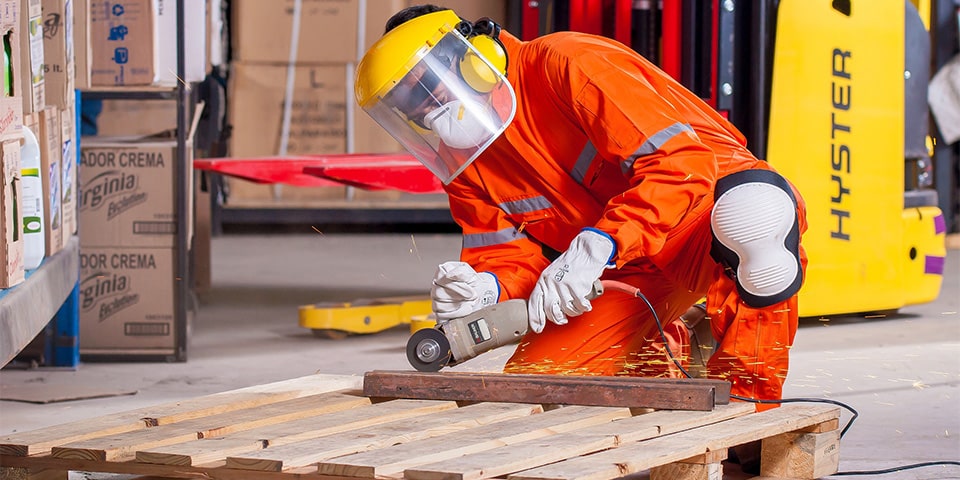
For employees in installation engineering, every day looks different. Only one thing remains unchanged: Safety comes first.
That is why there is the Occupational Health and Safety Act for a safe and healthy workplace. However, it is up to employers and employees to turn the specific standards into concrete principles for safe working.
Increased risk in operations
Working safely
Installers often have to work in difficult conditions or uncomfortable positions. This calls for flexible work clothing that allows work to be carried out without hindrance. Clothing and shoes or work boots should have a good fit, high wearing comfort and high-quality materials. For work in installation engineering, it is important that gloves have a good grip, dexterity and a high degree of dexterity. This is because work has to be carried out with precision and care.
Working with asbestos and quartz dust, working with voltage, working at height or in low spaces require a specific safety category. Personal protective equipment should be applied to these.
Last-minute risk analysis (LMRA)
Every employee should recognise the hazards in their own workplace. Before starting work, employees should carry out a Last Minute Risk Analysis (LMRA). The aim is to recognise risks and hazards at their own workplace and eliminate these risks and hazards. The LMRA consists of three steps:
1. Assess the risk. Do not start work if all risks have not been eliminated or are acceptable.
2. Determine measure. Determine the measures necessary to eliminate or reduce the risks.
3. Take action for safe implementation. Implement the measures, ask for help if necessary and discuss the measures with colleagues in advance.
Installers must have the attitude to work safely and make their own assessment of risks. The employer should facilitate the means to do them safely.